 EN
EN English
 русский
 Español
 Polskie
Quality-First, Customer-Focused, and Excellence-Driven.
Contact
- ADDRESS: No.68 Shuanglin Street, Wucheng District, Jinhua, Zhejiang, China
- PHONE: +86-13705895838
- PHONE: +86-579-83936588
- FAX: +86-579-83921166
- EMAIL: [email protected] / [email protected] / [email protected] / [email protected] / [email protected]
 Home / News / Industry News / Swing Into Spring: How Garden Swings, Pergola Kits and Wholesale Outdoor Furniture Are Redefining the Modern Backyard
Industry News
Swing Into Spring: How Garden Swings, Pergola Kits and Wholesale Outdoor Furniture Are Redefining the Modern Backyard
2026-03-19
The backyard has become the new living room — and the numbers prove it. Across the globe, consumers and commercial buyers alike are pouring unprecedented investment into outdoor spaces, transforming patios, gardens, and terraces into stylish, functional sanctuaries. At the heart of this movement are three closely linked product categories: outdoor garden swings, wholesale outdoor furniture, and outdoor pergola kits — each experiencing a wave of innovation, design evolution, and surging market demand that is reshaping the entire outdoor living industry.
For retailers, wholesale distributors, and property developers, the signals are unmistakable. The global outdoor furniture market was valued at roughly USD 53 billion in 2024 and is projected to climb to nearly USD 89.9 billion by 2033, advancing at a compound annual growth rate of approximately 6.1%. What was once a niche sector catering to warm-climate homeowners has matured into a year-round, global enterprise serving everything from suburban backyards to rooftop hotel terraces and boutique resort pools.
1. The Garden Swing Renaissance
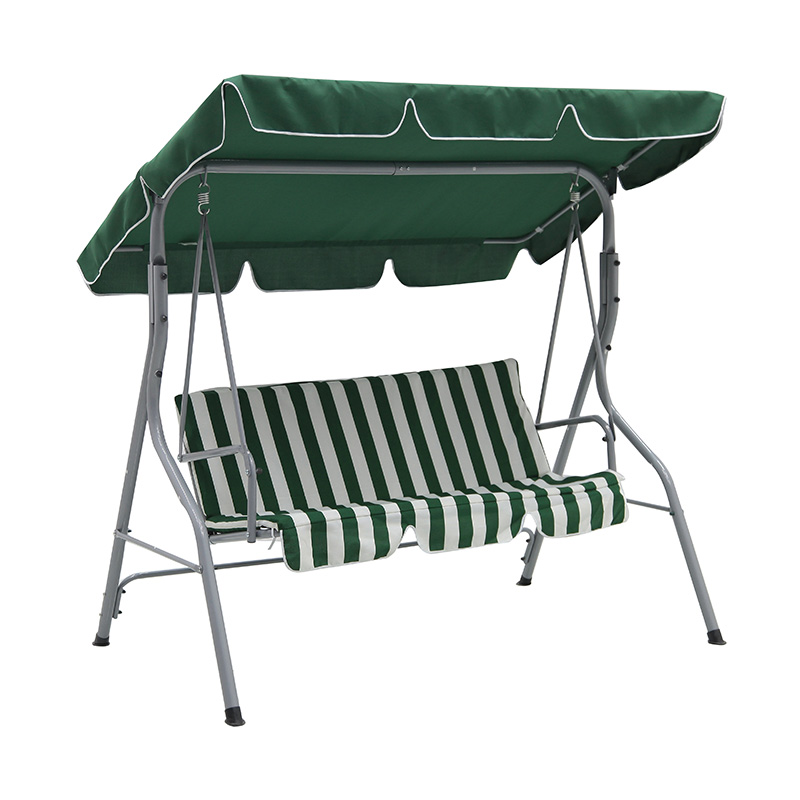
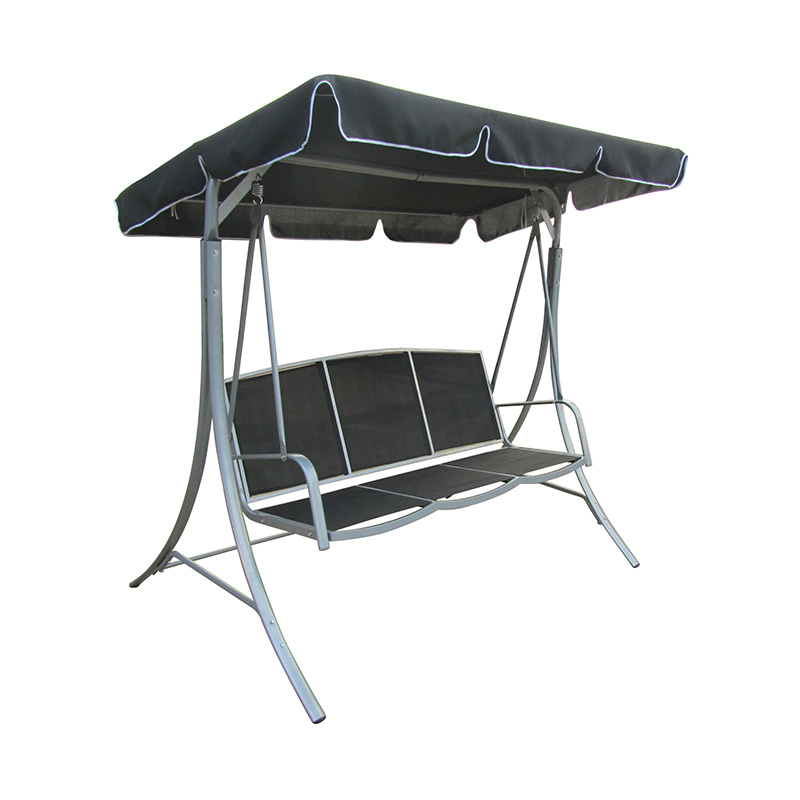
Few outdoor furniture pieces carry the cultural weight of a garden swing. Equal parts nostalgic and stylish, the category is experiencing a genuine design renaissance in 2025 and 2026. Once associated primarily with front-porch nostalgia, today's outdoor garden swings are sophisticated architectural statements — available in powder-coated steel, FSC-certified teak, weather-resistant rattan, and even transparent acrylic for a floating, modern aesthetic.
"There's something playful yet refined about a patio swing — these pieces offer movement and dynamics with the luxury of chic materials, turning any backyard into a genuine retreat."
Consumer interest follows a predictable seasonal arc, with search demand for wooden garden swings peaking sharply between March and May each year. However, the category's commercial potential extends well beyond residential yards. Parks, resorts, boutique hotels, and outdoor hospitality venues are increasingly installing premium swing seating as focal points in curated outdoor environments. Market analysts note that North American wooden swing sales are projected to grow from approximately USD 0.5 billion in 2024 to USD 0.7 billion by 2033, driven by eco-conscious consumers who favor FSC-certified wood and sustainably sourced materials.
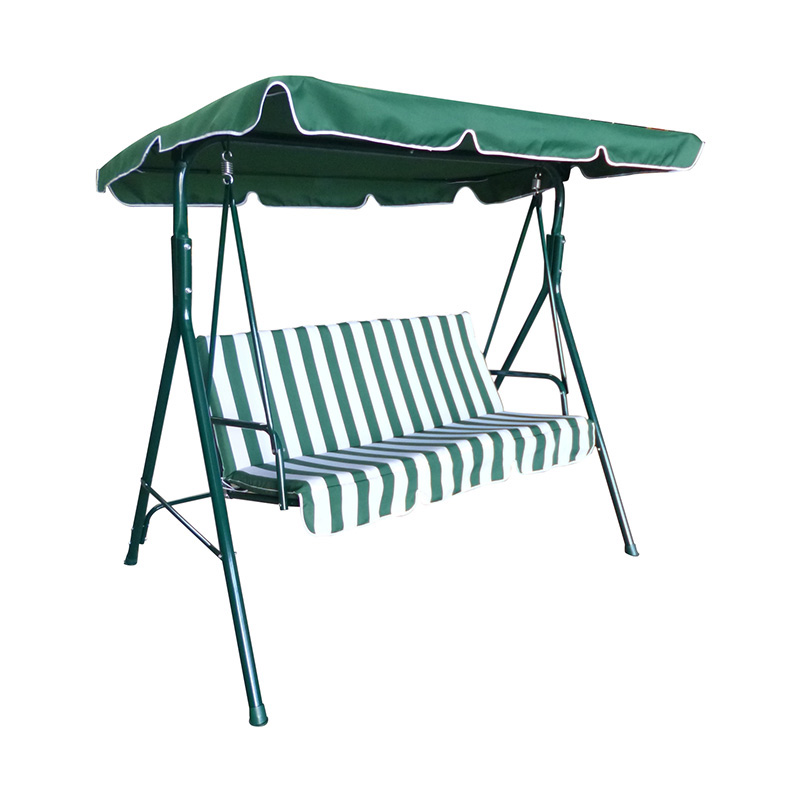
The design vocabulary of the modern garden swing has expanded dramatically. Heavy-duty porch swings with adjustable canopies, armrests, and integrated cup holders lead retail sales volume. Three-seat convertible swing beds — products that transform from a standard bench swing into a full lounging platform — are among the fastest-growing subcategories, appealing to both residential buyers seeking weekend relaxation and commercial buyers furnishing poolside areas. Canopy replacements, weather-resistant cushions in UV-stabilized fabrics, and rust-proof zinc-plated hanging hardware have become strong ancillary revenue streams for wholesale suppliers.
Garden Swing — Key Wholesale Buying Signals
- Heavy-duty porch swings with adjustable canopies lead volume — target hospitality and residential buyers equally
- 3-in-1 convertible swing beds are a fast-growing subcategory for poolside and resort applications
- FSC-certified and eco-friendly wooden frames command premium pricing and align with sustainability purchasing mandates
- Weather-resistant cushion sets, canopy replacements, and rust-proof hardware create high-margin accessory revenue
- Spring (March–May) is the primary inventory and marketing window; plan procurement 3–4 months in advance
Material diversity is a critical wholesale differentiator in this segment. Natural wood delivers warmth and aesthetic versatility for rustic and farmhouse-style gardens. Powder-coated steel frames provide the sleek, contemporary profile demanded by modern urban outdoor spaces. Rattan and synthetic wicker cater to the perennially popular boho-chic aesthetic. Savvy wholesale buyers stock across all three material families to serve the full breadth of retail and commercial demand. Cushion quality, measured by foam density and UV-resistant fabric coatings, has emerged as a primary driver of repeat purchasing and positive customer reviews.
2. Wholesale Outdoor Furniture: A Market at Scale
The wholesale outdoor furniture channel is undergoing structural transformation driven by three converging forces: the explosive growth of direct-to-consumer e-commerce, shifting commercial demand from hotels and restaurant groups, and an accelerating consumer commitment to sustainability. The result is a market that rewards suppliers who combine competitive pricing with design credibility, logistical efficiency, and transparent environmental credentials.
Asia-Pacific dominates global outdoor furniture manufacturing, accounting for over 45% of total market share in 2024. China anchors both production and domestic consumption, while India's expanding residential real estate sector and hospitality construction pipeline are generating growing wholesale import demand. For buyers in North America and Europe, Asia-Pacific remains the primary sourcing region for competitively priced aluminum, synthetic rattan, and composite furniture — though rising tariff pressures in 2025 prompted many importers to diversify sourcing toward Vietnam, Indonesia, and Malaysia.
Commercial buyers — including hotel groups, restaurant chains, co-working operators, and resort developers — represent one of the most active growth segments in outdoor furniture wholesale. Investment in pool decks, rooftop amenity spaces, and outdoor dining patios has accelerated significantly post-pandemic, with developers increasingly specifying contract-grade outdoor furniture that can withstand heavy daily use, UV degradation, and seasonal weather extremes. Modular and reconfigurable seating systems with durable, solution-dyed acrylic fabrics are the preferred specification for commercial projects.
On the residential side, by 2025 outdoor living upgrades accounted for approximately 25% of total residential home improvement budgets, with furniture representing the single largest spending category within that segment. Homeowners are gravitating toward complete coordinated outdoor living sets — dining tables paired with cushioned seating, complemented by lounge chairs, side tables, and accessory items that create a coherent aesthetic narrative across the full outdoor space. Wholesale buyers who curate and present coordinated collections, rather than individual product SKUs, consistently outperform those who sell on price alone.
Sustainability has moved from a marketing talking point to a genuine purchasing criterion for a growing segment of buyers. New regulations in 2025 are encouraging sustainable material sourcing for outdoor furniture manufacturing — a signal that eco-compliance will increasingly shape procurement decisions at both residential and commercial levels. Recycled aluminum, reclaimed hardwood, and bio-based polymer materials are commanding significant price premiums and gaining shelf space at major retail and wholesale channels.
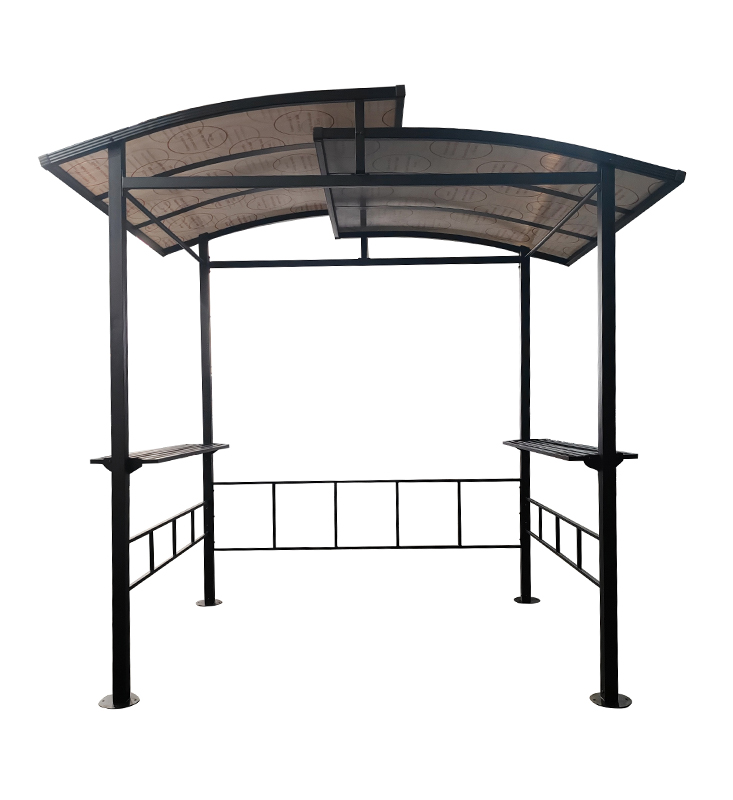
3. Outdoor Pergola Kits: Architecture Made Accessible
Of all the categories within the outdoor living space, perhaps none has experienced a more dramatic transformation in recent years than the pergola kit market. Once the province of skilled contractors and bespoke architectural projects, the modern pergola kit has democratized outdoor structure ownership — placing elegant, weather-resistant shade structures within reach of homeowners, retailers, and commercial developers worldwide.
The global pergola kit market is projected to grow from approximately USD 5.09 billion in 2025 to USD 8.56 billion by 2034, representing a compound annual growth rate of around 5.94%. The driving force behind this expansion is the fundamental human desire to extend living space outward — to create comfortable, sheltered zones for dining, socializing, and relaxation that bridge the interior and exterior of a home or property. Pergolas deliver this in a way that umbrellas and awnings cannot: with architectural presence, structural permanence, and genuine design impact.
North America leads the global pergola kit market and is expected to sustain the highest regional growth rate through 2031, driven by a deeply rooted culture of outdoor living, favorable warm-season climates across major population centers, and strong do-it-yourself home improvement participation. Pre-cut components, numbered hardware packs, and detailed installation guides have reduced assembly time dramatically, making pergola kits viable for weekend installation without professional construction expertise.
Pergola Kit — Emerging Product Trends for Wholesale Buyers
- Bioclimatic pergolas with motorized adjustable louvered roofs are the fastest-growing premium subcategory — CAGR of 7% in 2025
- Aluminum frame kits with powder-coated finishes are outpacing wood in growth rate due to lower maintenance requirements and superior weather resistance
- Smart pergola integration — automated louvers, integrated LED lighting, and app-controlled shading — is transitioning from novelty to mainstream specification
- Modular, customizable configurations allow buyers to adapt kits for single-family patios, rooftop terraces, and commercial poolside installations
- Sustainable and recycled aluminum materials are gaining significant traction in European and increasingly North American markets
Material evolution is one of the most significant stories in the pergola kit sector. Traditional wood pergolas face growing competition from aluminum, vinyl, and composite alternatives that offer compelling advantages: corrosion resistance, reduced maintenance burden, superior longevity in harsh climate zones, and an increasingly refined aesthetic range. Aluminum pergola kits with premium powder-coated finishes now closely replicate the visual warmth of wood while delivering far superior durability. The bioclimatic pergola kit — featuring adjustable louver blades that respond to weather conditions, integrated heating strips for year-round use, and sensor-based automation compatible with smart home platforms — represents the category's aspirational frontier and is already gaining significant traction in hospitality applications.
"Pergola kits are no longer a contractor's product — they're a homeowner's statement. The shift toward modular, tool-friendly assembly has opened an entirely new retail and wholesale opportunity."
For wholesale buyers, the pergola kit category offers compelling inventory economics. Flat-pack shipping reduces freight costs relative to assembled outdoor furniture. High average order values support strong margin contributions. And the pergola's structural nature encourages ancillary purchases — outdoor furniture sets, garden swings, lighting strings, and decorative planters — making it a powerful anchor product that drives basket size across the full outdoor living category.
4. The Interconnected Opportunity: Curating the Complete Outdoor Space
The most sophisticated retailers and wholesale distributors operating in the outdoor living category have recognized a fundamental truth: consumers do not buy a garden swing, a pergola kit, or an outdoor furniture set in isolation. They buy a vision of outdoor life — a complete experience of comfort, style, and connection to nature. The businesses that serve this vision most effectively — offering curated product ecosystems rather than individual SKUs — are capturing disproportionate market share.
A pergola kit provides the structural architecture. An outdoor garden swing installed within or adjacent to the pergola adds movement, character, and a focal point. A coordinated outdoor furniture wholesale collection — dining sets, lounge chairs, side tables — completes the scene with the functional density that makes the space genuinely livable. String lights, weather-resistant rugs, and cushion collections in cohesive colorways tie the full composition together. This category bundling approach is actively reshaping wholesale purchasing strategies, with buyers increasingly sourcing across all three core categories from preferred supplier relationships.
E-commerce has accelerated this trend by providing consumers with the visual merchandising tools — room visualizers, 3D configurators, coordinated collection photography — that previously required a showroom visit. Online platforms have seen outdoor furniture and pergola kit sales surge by approximately 25% year-on-year, and this digital-first purchasing behavior is steadily extending into wholesale B2B channels.
Looking ahead, the convergence of smart home technology, sustainability mandates, and aspirational outdoor lifestyle culture positions the garden swing, outdoor furniture wholesale, and pergola kit sectors for continued expansion well into the next decade. For manufacturers, distributors, and retailers navigating this space, the strategic imperatives are clear: invest in material innovation, curate coherent product collections, build sustainable sourcing credentials, and align inventory and marketing to the rhythms of the outdoor living calendar. The backyard revolution is well underway — and the businesses best positioned to lead it are those who understand that outdoor living is no longer a seasonal amenity. It is a year-round way of life.


We are a company integrating production and trade, specializing in the research and development and manufacturing of outdoor leisure products.
Quick Links
Keep In Touch
-
 +86-13705895838
-
 +86-579-83936588
-
 +86-579-83921166
-
 [email protected] / [email protected] / [email protected] / [email protected] / [email protected]
-
 No.68 Shuanglin Street, Wucheng District, Jinhua, Zhejiang, China
Mobile
Copyright © Jinhua Yilixin Industry&Trading Co.,Ltd. All Rights Reserved.

High-Quality Outdoor Tent

