 EN
EN English
 русский
 Español
 Polskie
Quality-First, Customer-Focused, and Excellence-Driven.
Contact
- ADDRESS: No.68 Shuanglin Street, Wucheng District, Jinhua, Zhejiang, China
- PHONE: +86-13705895838
- PHONE: +86-579-83936588
- FAX: +86-579-83921166
- EMAIL: [email protected] / [email protected] / [email protected] / [email protected] / [email protected]
 Home / News / Industry News / What Buyers Need to Know About Commercial Outdoor Furniture and Freestanding Pergola Kits in 2026
Industry News
What Buyers Need to Know About Commercial Outdoor Furniture and Freestanding Pergola Kits in 2026
2026-03-20
An industry briefing on supply chain geography, product specifications, export markets, and sourcing best practices for outdoor living buyers worldwide.
The global outdoor living market is large, growing, and increasingly driven by a manufacturing base centered in China. Whether sourcing freestanding pergola kits for a hotel renovation, procuring commercial outdoor furniture for a restaurant group, or building a retail catalog of garden products, buyers in 2026 face the same core challenge: a vast supplier landscape with wide variance in capability, quality, and reliability. This report offers a structured briefing on how to navigate it.
China accounts for an estimated 30.8% of global furniture exports and 39% of total global furniture output. Within the outdoor and garden products segment, that concentration is even higher. Foshan alone — the Pearl River Delta city that serves as the country's primary aluminum furniture manufacturing hub — is projected to record a furniture output value of approximately $31.8 billion in 2025. Understanding the structure of this manufacturing ecosystem is the starting point for effective sourcing.
1. Market Scale and Growth
The global outdoor furniture market was valued at $50.89 billion in 2024 and is forecast to reach $86.65 billion by 2033, expanding at a compound annual growth rate of 6.3%. The commercial segment — serving hotels, resorts, restaurants, and institutional clients — is growing at a slightly faster rate of 6.6% annually, reflecting the global hospitality industry's accelerating investment in outdoor spaces as revenue-generating environments.
The freestanding pergola kit category, though smaller in absolute terms, is among the highest-growth segments in the broader outdoor structures market. Valued at $0.44 billion in 2023, it is forecast to reach $0.65 billion by 2030 at a CAGR of 5.5%. Within that, the bioclimatic and motorized sub-segment is growing at an estimated 13.5% annually through 2035 — driven by hospitality buyers seeking all-weather outdoor environments rather than seasonal shade solutions.
North America is the single largest destination market for Chinese garden products and outdoor furniture by export value, accounting for roughly 31% of global pergola market consumption. Asia Pacific is the fastest-growing region, projected to reach a 21.5% global share as urbanization and rising middle-class spending power accelerate outdoor living adoption across the region.
2. Freestanding Pergola Kits: Specifications and Pricing
The freestanding pergola kit has become the dominant outdoor structure format for both residential and commercial buyers, owing to a simple practical advantage: no wall attachment is required. Kits are anchored directly to ground surfaces — concrete pads, paving, or embedded footings — and can be positioned anywhere on a property without modification to existing structures. For commercial buyers operating under lease restrictions or heritage building regulations, this flexibility is often the decisive purchase factor.
At the material level, 6063-T5 aluminum alloy has established itself as the reference specification for premium freestanding pergola kits. The alloy offers a favorable strength-to-weight ratio, corrosion resistance appropriate for coastal and tropical environments, and surface compatibility with Qualicoat-certified powder-coat finishes that carry warranties against chalking and discoloration. Commercial-grade kits typically use profile wall thicknesses of 1.8mm to 3.0mm, with heavier specifications for structures designed to carry solar panels, lighting tracks, or climate accessories.
Table 1 — Freestanding Pergola Kit Types: Specifications and Pricing
|
Kit Type |
Material |
Assembly |
Price (USD) |
Ideal For |
|
Standard Flat-Roof Kit |
Powder-coated Aluminum |
4-6 hrs, 2 persons |
$1,800 - $5,000 |
Residential patios |
|
Louvered Roof Kit |
6063-T5 Aluminum Alloy |
6-10 hrs, 2-3 persons |
$5,000 - $18,000 |
Year-round outdoor rooms |
|
Motorized Smart Kit |
Heavy-duty Aluminum |
1-2 days, professional |
$12,000 - $30,000+ |
Hotels, luxury homes |
|
WPC Hybrid Kit |
Wood-Plastic Composite |
4-8 hrs, 2 persons |
$2,500 - $8,000 |
Residential gardens |
|
Commercial Steel Kit |
Galvanized Steel |
1 day+, professional |
$8,000 - $25,000 |
Restaurants, plazas |
Price ranges are indicative for North American and European retail and commercial markets. Wholesale and project pricing may differ.
3. Commercial Outdoor Furniture: What Contract Grade Means
Commercial outdoor furniture is a distinct specification category from residential product. The differences operate at the material and process level rather than the aesthetic level. Contract-grade frames are fabricated from 6063-T5 aluminum alloy or 304-grade stainless steel — not the lighter alloys common in entry-level residential product. Fabrics are rated at 10,000 to 50,000 hours of UV exposure and tested for water repellency, mold resistance, and colorfastness under ASTM or equivalent standards. Anti-corrosion performance is verified through ASTM B117 salt spray testing, with coastal and tropical applications typically requiring a minimum of 1,000 hours resistance.
Chinese commercial outdoor furniture suppliers — particularly those operating in the Foshan and Zhongshan clusters — have invested substantially in contract-grade manufacturing capability over the past decade. Many now maintain dedicated hospitality and commercial divisions with in-house design teams, custom fabric sampling services, and project coordination capabilities appropriate for hotel group and resort developer procurement processes. The shift from cost-competitive manufacturing toward specification-led production is the most significant structural change in China's outdoor furniture export sector in recent years.
For US-market buyers, the current tariff environment adds a planning variable. Section 232 tariffs on upholstered furniture from China stand at 25% as of Q1 2026. For buyers in European, Middle Eastern, and Asia Pacific markets, China's competitive position remains largely intact, though CE marking, REACH chemical compliance, and — for forest-derived products — EU Deforestation Regulation documentation are baseline requirements rather than optional credentials.
Table 2 — Frame Material Comparison: Performance at a Glance
|
Material |
Corrosion Resistance |
Maintenance |
Lifespan (Yrs) |
Common Use |
|
6063-T5 Aluminum |
Excellent |
Very Low |
20 - 30+ |
Premium pergola kits |
|
Galvanized Steel |
Good |
Low-Medium |
15 - 25 |
Large commercial structures |
|
WPC Composite |
Good |
Very Low |
15 - 20 |
Residential hybrid kits |
|
Western Red Cedar |
Moderate |
Medium-High |
10 - 20 |
Traditional DIY kits |
|
HDPE Frame |
Excellent |
Very Low |
15 - 25 |
Entry-level garden products |
Lifespan estimates reflect standard outdoor conditions. Coastal or extreme-climate environments may require upgraded specifications.
4. China's Manufacturing Regions: Where to Source What
China's garden products and outdoor furniture manufacturing base is geographically specialized. The Pearl River Delta — centered on Foshan, Guangzhou, and Zhongshan — is the primary hub for aluminum pergola frames, commercial outdoor furniture, and decorative garden accessories. Factory infrastructure in this cluster is the most developed in the country, with integrated supply chains covering aluminum profile extrusion, powder-coating, CNC fabrication, upholstery, and export logistics.
Zhejiang Province has built a distinct identity as a center for modular garden kits, WPC composite structures, and garden tool manufacturing — product categories that align with the growing DIY outdoor market in Europe and North America. Shandong contributes large-scale steel fabrication capability for heavy commercial shade structures and galvanized steel pergola frames. Fujian has cultivated strong buyer relationships in UK and Continental European markets for rattan and natural fiber garden furniture, with several exporters holding FSC chain-of-custody certification.
Buyers sourcing multiple product categories — for example, aluminum pergola kits and commercial dining sets — will typically find that concentrating sourcing within the Pearl River Delta cluster minimizes logistics complexity and enables consolidated container shipments. Buyers with specific requirements for WPC or rattan products may benefit from splitting sourcing between Guangdong and Zhejiang or Fujian, accepting the additional coordination cost in exchange for access to more specialized manufacturing capability.
5. Export Markets and Logistics
China's logistical infrastructure is a structural competitive advantage for outdoor furniture and garden products exporters. Seven of the world's ten busiest container ports are located in China, with Shenzhen, Ningbo-Zhoushan, and Shanghai providing mature export channels for outdoor products at scale. Standard lead times for in-stock freestanding pergola kits run 20 to 35 days from order confirmation to cargo ready; custom OEM orders typically require 45 to 75 days depending on production queue and specification complexity.
Table 3 — Key Export Markets: Transit, Compliance and Demand Notes
|
Export Market |
Top Products |
Transit Time |
Key Requirement |
|
United States |
Pergola kits, patio furniture |
14-18 days (West Coast) |
Section 232 tariff (25%) applies |
|
Germany / DACH |
Bioclimatic pergolas, garden tools |
28-35 days |
CE + REACH compliance |
|
United Kingdom |
Lounge sets, pergola kits |
26-32 days |
UKCA marking required |
|
Australia |
Aluminum outdoor furniture |
18-24 days |
Strong seasonal demand Oct-Mar |
|
Middle East |
Commercial shade structures |
12-18 days |
High heat-resistance spec |
|
Japan / South Korea |
Modular kits, accessories |
7-12 days |
Compact design preference |
Transit times reflect standard FCL container shipments. Regulatory requirements are current as of Q1 2026 and subject to change.
6. Supplier Evaluation: A Practical Framework
The most reliable indicator of genuine manufacturing capability is physical factory scale. Facilities below 3,000 square meters are typically trading operations or light-assembly workshops rather than full manufacturers. Buyers should look for evidence of in-house aluminum extrusion or fabrication capability, dedicated powder-coating lines, and on-site quality inspection infrastructure. These indicators cannot be replicated by trading companies and are difficult to misrepresent during a physical or video factory audit.
Certification verification has become a non-negotiable step following documented rates of certificate discrepancy among Chinese suppliers. ISO 9001, SGS material test reports, FSC chain-of-custody certificates, and CE declarations should be cross-referenced directly against the issuing body's registry rather than accepted on the basis of documentation provided by the factory alone. This process takes less than one hour and eliminates the most common category of supplier misrepresentation.
Reorder rate analysis provides a useful supplementary signal. Manufacturers with reorder rates above 60% from established export markets are demonstrating consistent product performance and reliable delivery across multiple order cycles. Requesting reference contacts from buyers in your target market, and conducting direct reference calls, remains one of the most reliable and underutilized due diligence tools available to sourcing teams at any order volume.
7. Trends Shaping the Category Through 2028
Smart outdoor systems are moving from premium niche to mainstream specification. Motorized freestanding pergola kits with app-controlled louvers, automated weather sensors, integrated LED channels, and side screen systems are increasingly specified as standard in new commercial venue developments. Manufacturers without a credible smart product roadmap are finding themselves excluded from shortlists in the hospitality and high-end residential segments.
Sustainability credentials are transitioning from differentiator to baseline expectation in regulated markets. Recycled aluminum content, FSC certification, and low-VOC coating systems are increasingly written into commercial procurement specifications in Europe and, to a growing extent, in the US corporate hospitality segment. Manufacturers who have invested in verifiable environmental credentials are gaining structural advantages in contract tenders where specification compliance is evaluated alongside price.
Modular system architecture is emerging as a meaningful competitive differentiator among commercial suppliers. Manufacturers offering coordinated outdoor product ecosystems — where pergola structures, furniture collections, lighting, and privacy screens share compatible connection geometry and consistent design language — are winning specification-led tenders against catalog-only competitors. For buyers, this approach reduces procurement complexity and provides stronger visual coherence across large outdoor venue projects.
This analysis draws on publicly available industry research and trade data current as of Q1 2026. Market figures reference publications from Grand View Research, Fortune Business Insights, Mordor Intelligence, and Foshan Municipal Statistics Bureau. All content is for informational purposes only and does not constitute investment, procurement, or legal advice.
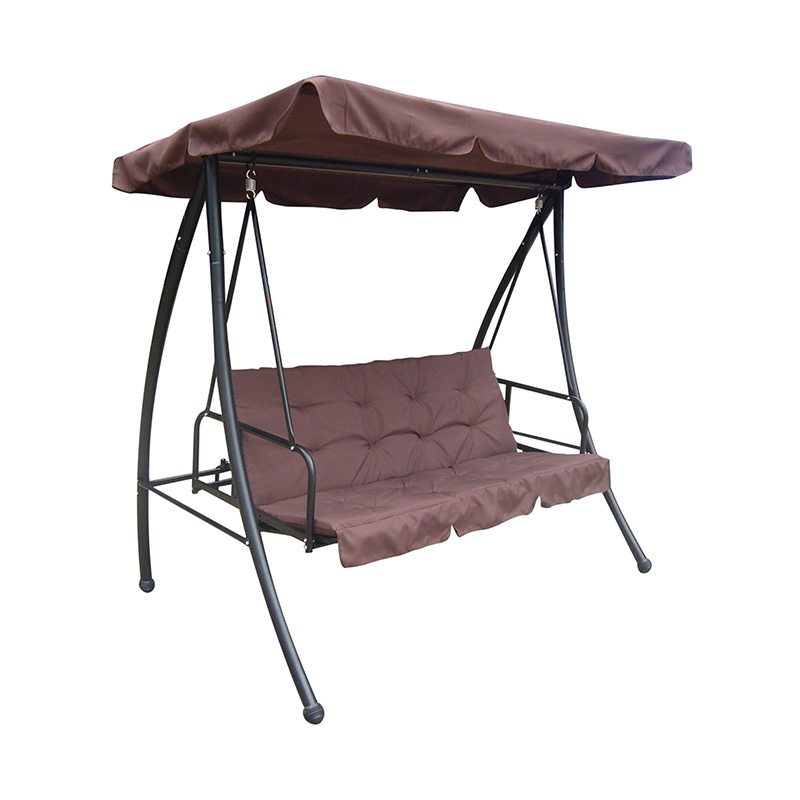
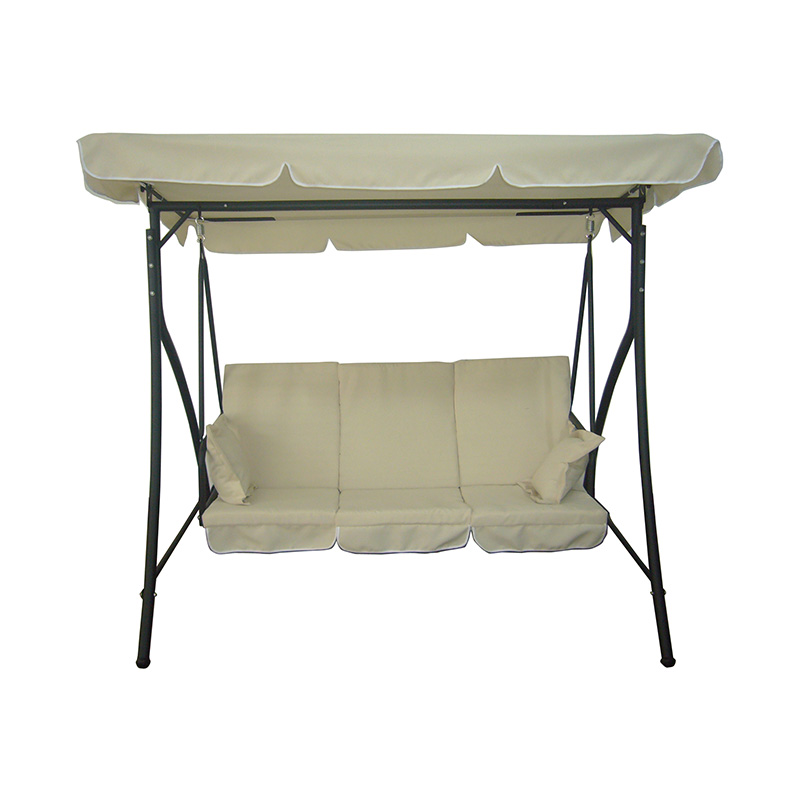
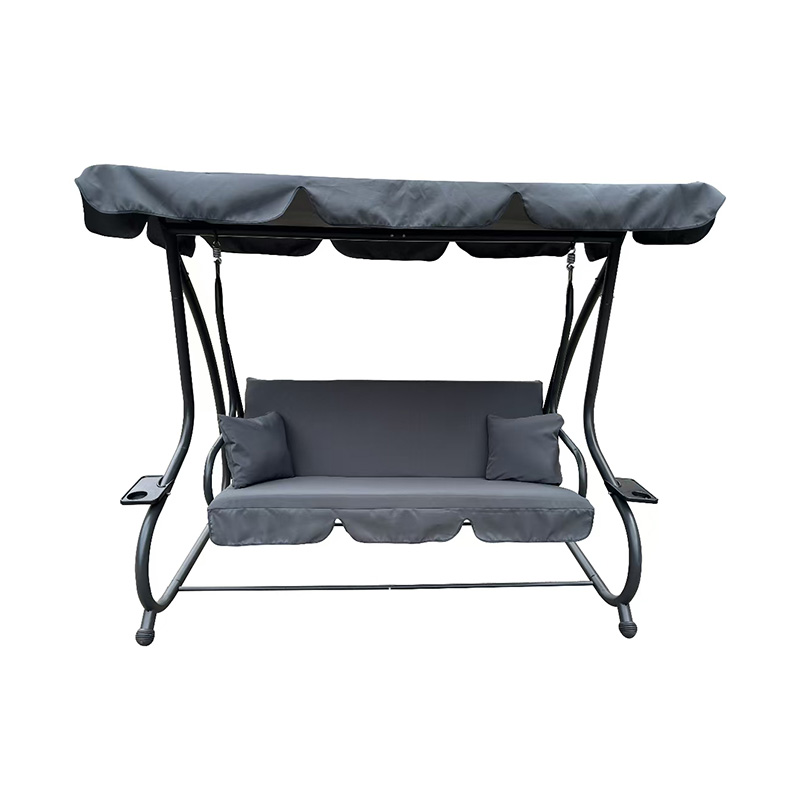


We are a company integrating production and trade, specializing in the research and development and manufacturing of outdoor leisure products.
Quick Links
Keep In Touch
-
 +86-13705895838
-
 +86-579-83936588
-
 +86-579-83921166
-
 [email protected] / [email protected] / [email protected] / [email protected] / [email protected]
-
 No.68 Shuanglin Street, Wucheng District, Jinhua, Zhejiang, China
Mobile
Copyright © Jinhua Yilixin Industry&Trading Co.,Ltd. All Rights Reserved.

High-Quality Outdoor Tent

