 EN
EN English
 русский
 Español
 Polskie
Quality-First, Customer-Focused, and Excellence-Driven.
Contact
- ADDRESS: No.68 Shuanglin Street, Wucheng District, Jinhua, Zhejiang, China
- PHONE: +86-13705895838
- PHONE: +86-579-83936588
- FAX: +86-579-83921166
- EMAIL: [email protected] / [email protected] / [email protected] / [email protected] / [email protected]
 Home / News / Industry News / What Should Buyers Consider When Choosing a Three-Seater Swing Chair for Different Outdoor Spaces?
Industry News
What Should Buyers Consider When Choosing a Three-Seater Swing Chair for Different Outdoor Spaces?
2026-09-11
Jinhua Yilixin Industry&Trading Co.,Ltd.
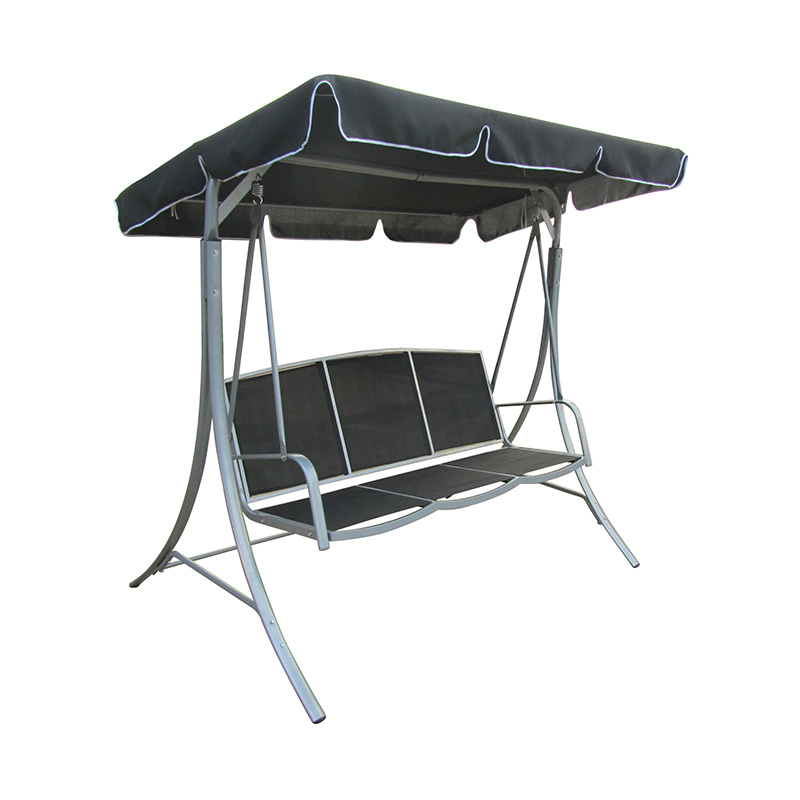
Outdoor furniture buyers are no longer evaluating seating only by appearance or basic comfort. Current 2026 trends show stronger interest in flexible layouts, weather-resistant materials, personalized outdoor spaces, and furniture that can support both relaxation and social use. For importers, distributors, hospitality projects, and garden furniture retailers, the real challenge is matching an Outdoor Leisure Three-Seater Swing Chair with the space, climate, user group, and sales positioning it is intended to serve.
Start With the Installation Environment
The same swing chair may perform differently depending on where it will be installed. A residential garden, apartment balcony, hotel terrace, and resort leisure area have different space and usage requirements.
Before selecting a model, buyers should consider:
- Available installation width and overhead clearance
- Expected frequency of use
- Exposure to rain, sunlight, humidity, and wind
- Whether the chair will remain outdoors throughout the season
- Access requirements for delivery and assembly
This basic assessment can prevent a common procurement problem: choosing an attractive product that does not fit the actual installation environment.
Why Space Efficiency Is Becoming More Important
Outdoor areas are increasingly being designed as extensions of indoor living spaces, while many urban properties have limited balconies, terraces, or garden areas. A three-seat swing can make better use of a defined seating zone because it combines multiple seats with a single coordinated structure.
For distributors, this also creates an opportunity to position the product as a practical alternative to purchasing several individual lounge chairs. For hospitality buyers, a compact shared seating solution can help organize guest areas without making the layout feel overcrowded.
Match the Product to the Climate
Climate should influence material selection from the beginning rather than being treated as a maintenance issue after purchase. Outdoor furniture trends in 2026 continue to emphasize weather resistance, material innovation, durability, and practical performance.
A manufacturer should therefore be prepared to discuss:
- Frame material and corrosion protection
- Coating or finish suitable for outdoor exposure
- Fabric and cushion construction
- Drainage and drying considerations
- Hardware selection for repeated outdoor use
For buyers serving coastal or humid markets, corrosion resistance may deserve greater attention than it would in a relatively dry environment.
Consider How Customers Will Actually Use It
A swing chair is not simply a decorative garden product. Its commercial value depends on whether the design supports the way customers use outdoor areas.
Families may want a comfortable place for conversation and reading, while hotels and resorts may use swing seating around pools, gardens, terraces, or lounge areas. Current commercial outdoor furniture discussions also point toward flexible furniture and design-led outdoor hospitality environments.
From our manufacturing perspective, seat depth, back support, cushion configuration, suspension movement, and frame proportions should be considered together rather than evaluated separately.
Design Flexibility Can Help Overseas Buyers
Outdoor collections are becoming more personalized, with warmer finishes, natural textures, and flexible seating arrangements appearing across current design discussions. This creates room for manufacturers to support different market preferences without completely changing the underlying product structure.
For B2B customers, customization may include frame finishes, cushion fabrics, colors, packaging, dimensions, or selected accessories. Discussing these requirements during product development can make sample approval and later production more efficient.
Look Beyond the Sample When Assessing Quality
A well-finished sample does not automatically guarantee consistent bulk production. Procurement teams should examine how the manufacturer controls the details that influence repeatability.
Important checkpoints include:
- Frame alignment and welding consistency
- Coating coverage and surface inspection
- Hardware installation
- Cushion dimensions and stitching
- Swing mechanism assembly
- Carton protection and component organization
As a manufacturer, we consider these controls part of the product itself. Clear drawings, approved samples, material specifications, inspection procedures, and packaging standards give buyers a more reliable basis for supplier evaluation.
Build a Product Around Its Market Position
The right swing chair should solve a specific outdoor-space problem while fitting the commercial expectations of its target market. A retailer may prioritize visual appeal and customization, whereas a hospitality buyer may place greater weight on durability, maintenance, comfort, and repeatable supply.
For overseas procurement teams, defining these priorities before requesting quotations can make supplier comparisons more meaningful and reduce costly changes later. When the structure, materials, comfort requirements, customization, and production controls are aligned from the beginning, an Outdoor Leisure Three-Seater Swing Chair can become a practical product for modern gardens, patios, balconies, resorts, and other outdoor leisure spaces.



We are a company integrating production and trade, specializing in the research and development and manufacturing of outdoor leisure products.
Quick Links
Keep In Touch
-
 +86-13705895838
-
 +86-579-83936588
-
 +86-579-83921166
-
 [email protected] / [email protected] / [email protected] / [email protected] / [email protected]
-
 No.68 Shuanglin Street, Wucheng District, Jinhua, Zhejiang, China
Mobile
Copyright © Jinhua Yilixin Industry&Trading Co.,Ltd. All Rights Reserved.

High-Quality Outdoor Tent

