 EN
EN English
 русский
 Español
 Polskie
Quality-First, Customer-Focused, and Excellence-Driven.
Contact
- ADDRESS: No.68 Shuanglin Street, Wucheng District, Jinhua, Zhejiang, China
- PHONE: +86-13705895838
- PHONE: +86-579-83936588
- FAX: +86-579-83921166
- EMAIL: [email protected] / [email protected] / [email protected] / [email protected] / [email protected]
 Home / News / Industry News / How Can Three-Seater Swing Chairs Make Outdoor Furniture Collections More Flexible?
Industry News
How Can Three-Seater Swing Chairs Make Outdoor Furniture Collections More Flexible?
2026-09-18
Jinhua Yilixin Industry&Trading Co.,Ltd.
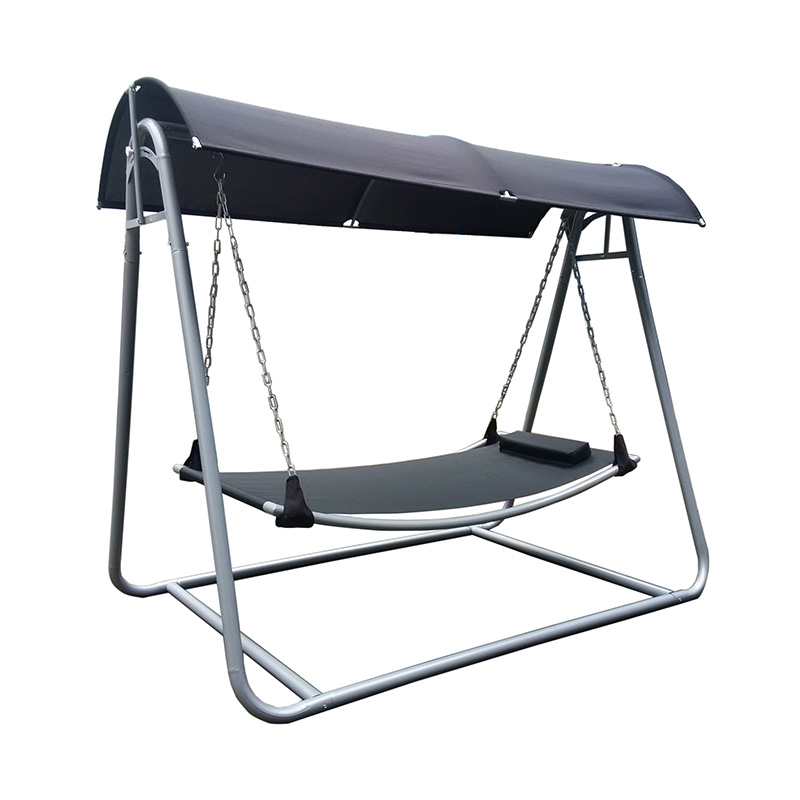
Outdoor furniture collections are increasingly expected to do more than fill a patio. Designers are treating gardens, balconies, terraces, and hospitality spaces as extensions of indoor living areas, with greater attention to organic forms, flexible layouts, personalized design, and weather-conscious materials. For overseas buyers, this creates a practical product-development question: how can an Outdoor Leisure Three-Seater Swing Chair add useful flexibility to a furniture collection without creating unnecessary complexity in sourcing and production?
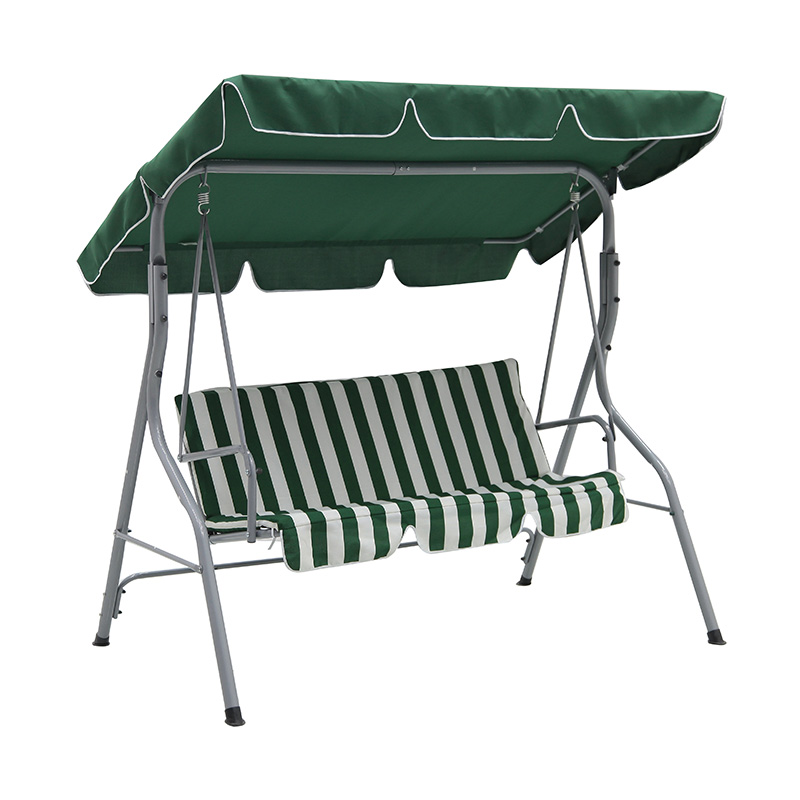
One Product, Multiple Outdoor Applications
A three-seater swing chair can serve several purposes depending on how it is positioned within an outdoor collection. It can become a shared relaxation point in a residential garden, a feature piece on a hotel terrace, or a comfortable seating option for a landscaped commercial space.
For distributors, this versatility can make product planning easier. Instead of developing a chair around one narrowly defined scenario, buyers can select a structure that works across several outdoor environments and adjust finishes, cushions, or accessories according to the target market.
Why Flexible Design Matters to Buyers
Outdoor spaces vary considerably in size and layout. A large resort terrace may accommodate several seating zones, while an urban balcony may require much more careful use of available space. Current market discussions also point toward demand for space-conscious and multifunctional outdoor furniture.
When evaluating a swing chair, procurement teams should therefore consider:
- Overall footprint and required clearance
- Whether the structure suits different installation layouts
- Ease of assembly and relocation
- Compatibility with different cushion or fabric options
- Packaging requirements for international shipment
These details can have a direct impact on both product positioning and logistical planning.
Design Trends Are Moving Toward Softer Forms
Outdoor furniture design in 2026 is showing stronger interest in curved silhouettes, organic layouts, earthy colors, and furniture that feels visually connected with its surroundings. A swing chair naturally fits this direction because its suspended structure can create a softer focal point than rigid rectangular seating.
For manufacturers, the challenge is to combine visual appeal with structural practicality. Curved frames, woven elements, cushions, and powder-coated surfaces should work together rather than being treated as independent decorative features. A successful design needs to remain practical for production, assembly, inspection, and transportation.
How Should Customization Be Handled?
Overseas buyers often serve markets with different preferences for colors, fabrics, finishes, and overall styling. Instead of creating a completely new structure for every customer, manufacturers can develop a stable base design and customize selected components.
This approach may include:
- Frame color and surface finish
- Cushion fabric and pattern
- Seat and back cushion configuration
- Branding or packaging elements
- Selected dimensional adjustments
From a manufacturing perspective, customization should be reviewed before sampling. Early confirmation helps determine whether a requested change affects tooling, material sourcing, assembly, packaging, or quality inspection.
Materials Should Follow the Intended Market
Material selection should reflect the environment in which the furniture will be used. Outdoor furniture is exposed to moisture, sunlight, temperature changes, dust, and repeated handling, so buyers need more than a generic "outdoor suitable" description.
For example, metal frames require appropriate corrosion protection, while cushions and fabrics need to be selected according to the expected outdoor conditions. Current 2026 furniture discussions also show increasing attention to sustainable materials and material innovation.
A responsible manufacturer should be able to explain material options clearly rather than relying on broad marketing language.
Production Consistency Is Part of Product Design
For B2B purchasing, a successful sample is only the beginning. When an order moves into regular production, frame dimensions, welding, coating, hardware, cushion sizing, and packaging all need to remain consistent.
We recommend that buyers establish clear approval points covering drawings, materials, finish samples, assembly details, inspection requirements, and packaging before bulk production begins. This creates a shared technical reference between the buyer and manufacturer and makes quality discussions more objective.
Building a More Competitive Outdoor Collection
The opportunity for a three-seater swing chair is not simply that it provides another seating option. Its value comes from combining shared comfort, visual interest, flexible application, and customization potential within one product concept. As outdoor living continues to develop toward more personalized and integrated spaces, buyers need products that can adapt without becoming unnecessarily complicated to manufacture or distribute. With the right structural design, material selection, and production controls, an Outdoor Leisure Three-Seater Swing Chair can become a distinctive and commercially practical component of an international outdoor furniture collection.
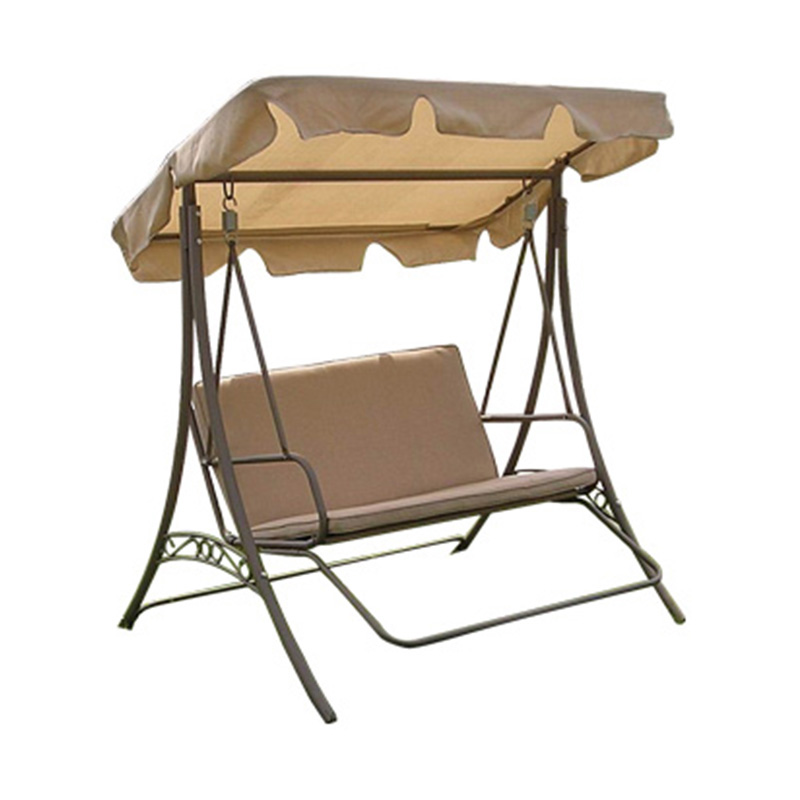
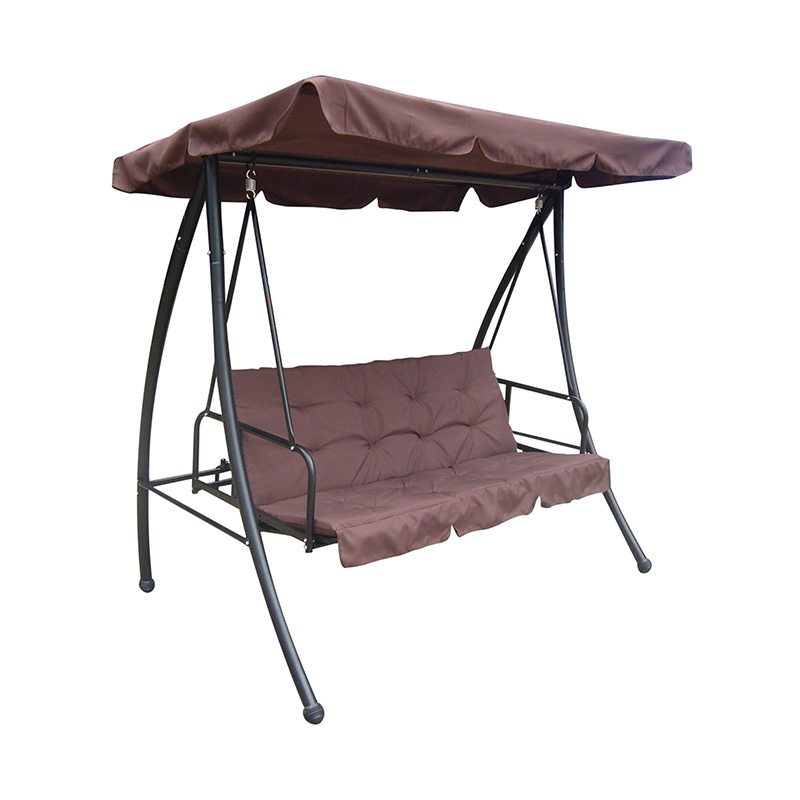


We are a company integrating production and trade, specializing in the research and development and manufacturing of outdoor leisure products.
Quick Links
Keep In Touch
-
 +86-13705895838
-
 +86-579-83936588
-
 +86-579-83921166
-
 [email protected] / [email protected] / [email protected] / [email protected] / [email protected]
-
 No.68 Shuanglin Street, Wucheng District, Jinhua, Zhejiang, China
Mobile
Copyright © Jinhua Yilixin Industry&Trading Co.,Ltd. All Rights Reserved.

High-Quality Outdoor Tent

