 EN
EN English
 русский
 Español
 Polskie
Quality-First, Customer-Focused, and Excellence-Driven.
Contact
- ADDRESS: No.68 Shuanglin Street, Wucheng District, Jinhua, Zhejiang, China
- PHONE: +86-13705895838
- PHONE: +86-579-83936588
- FAX: +86-579-83921166
- EMAIL: [email protected] / [email protected] / [email protected] / [email protected] / [email protected]


Industry News
Is Your Outdoor Swing Chair Ready for Commercial-Grade Outdoor Use?
2026-09-25
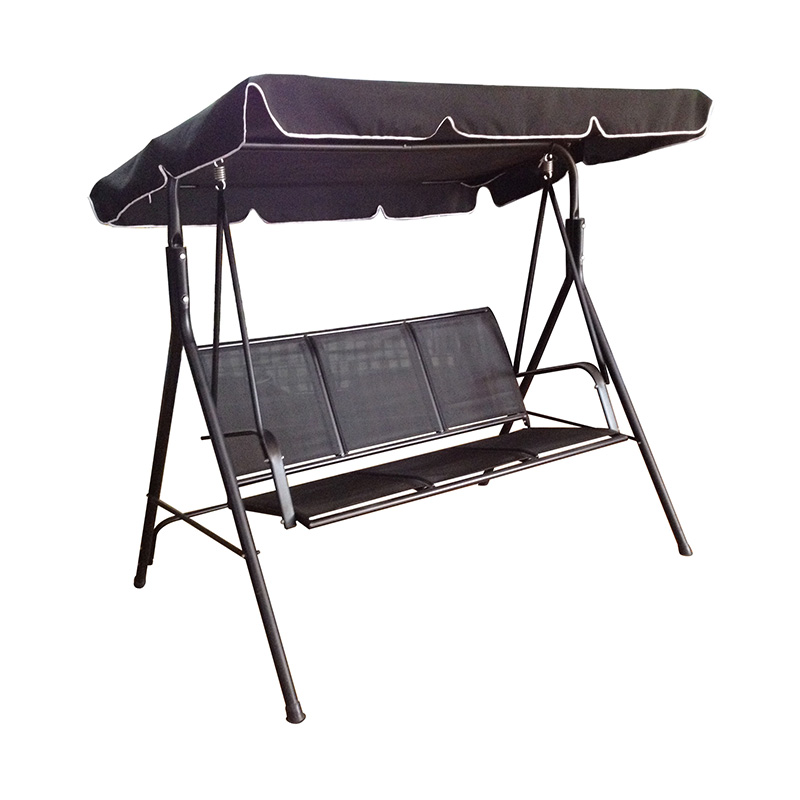
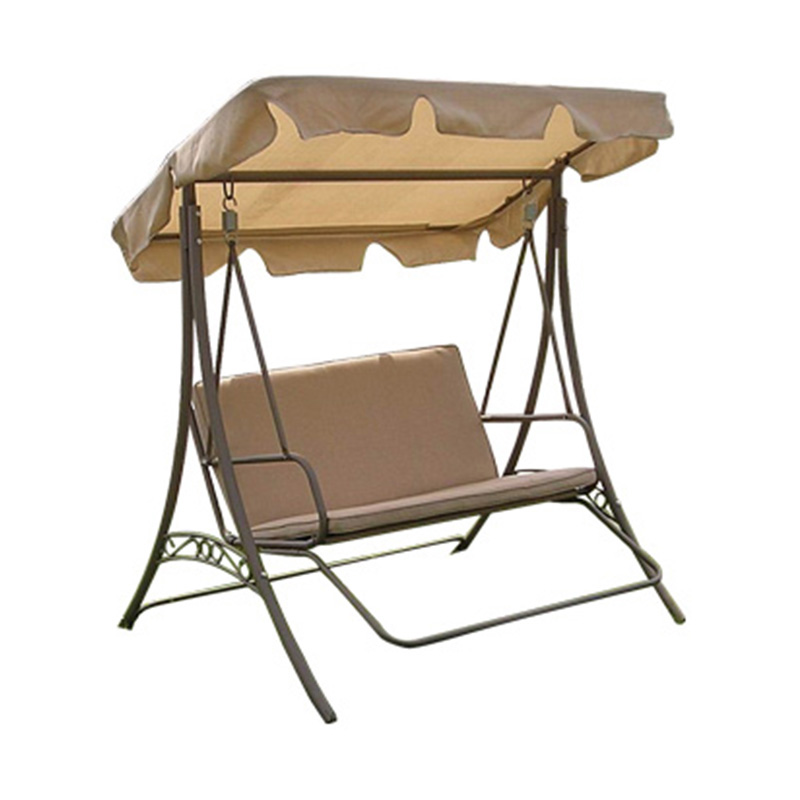
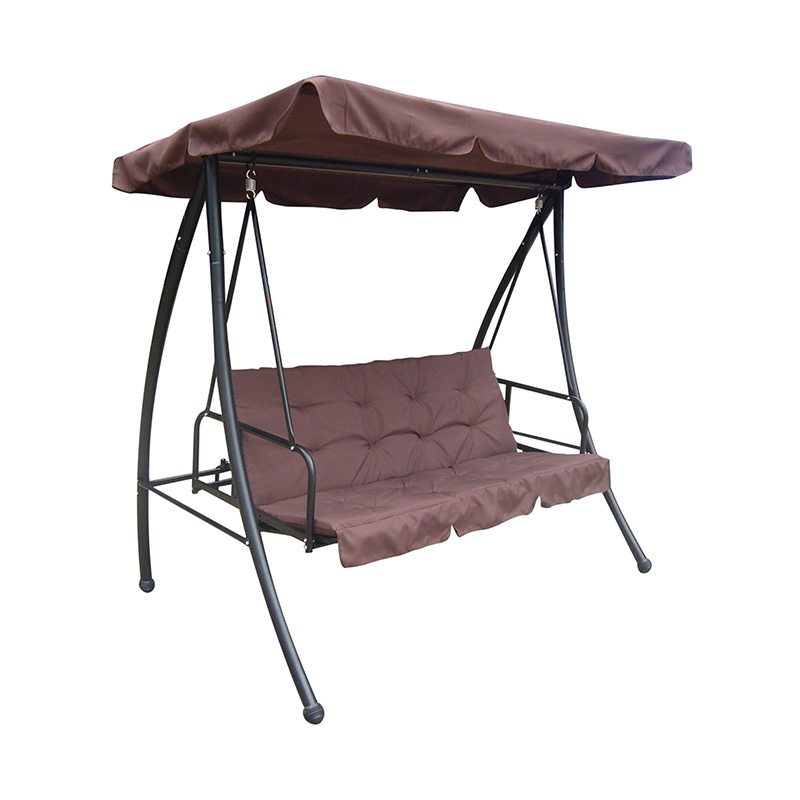
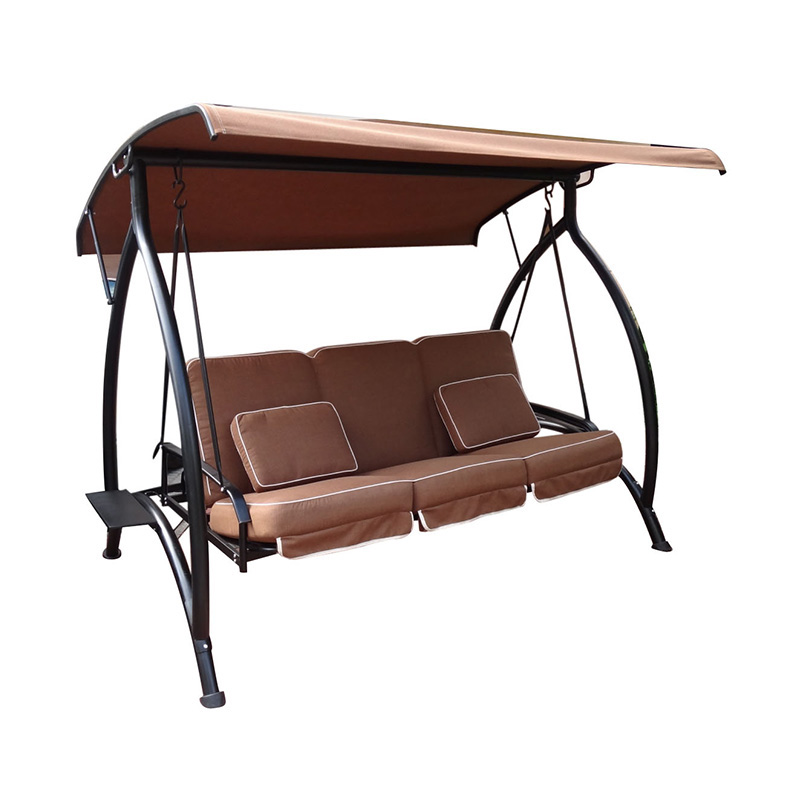
Outdoor furniture is increasingly being selected with commercial performance in mind, especially as hotels, restaurants, resorts, and other businesses make greater use of terraces, rooftops, pool decks, and landscaped areas. Recent 2026 industry discussions highlight durability, low maintenance, flexible design, and weather-resistant materials as important considerations for commercial outdoor furniture buyers. For procurement teams, this raises a practical question: is an Outdoor Leisure Three-Seater Swing Chair designed only for residential relaxation, or can it also meet the demands of hospitality and other high-use environments?
Residential and Commercial Use Are Not the Same
A swing chair placed in a private garden may receive occasional use from a small number of people. A product installed at a hotel or resort can experience considerably more frequent use, repeated cleaning, movement, and exposure to changing weather conditions.
That difference should influence the purchasing specification. Commercial buyers need to look beyond visual styling and consider frame construction, connection points, suspension components, cushion performance, surface treatment, and ease of maintenance before approving a product.
Where Does the Real Wear Occur?
Outdoor furniture does not experience wear evenly. Certain components receive more stress than others, particularly moving joints, suspension points, fasteners, welded areas, and surfaces frequently touched or repositioned.
During product development, manufacturers should identify these areas before production rather than waiting for customer feedback after delivery. A practical evaluation can include:
- Checking the stability of the frame under repeated movement
- Reviewing load-bearing and connection areas
- Inspecting welds and surface finishing
- Assessing hardware against outdoor exposure
- Confirming that replacement components can be identified when necessary
This approach helps buyers understand how the product is engineered instead of relying solely on appearance or catalogue descriptions.
Weather Resistance Should Match the Location
There is no single outdoor environment. A coastal resort, humid garden, dry urban terrace, and shaded hotel courtyard can place different demands on furniture materials.
Current hospitality furniture trends emphasize weather-resistant construction, UV-conscious materials, corrosion protection, and easy-care surfaces. Manufacturers should therefore discuss the intended market before recommending a material combination.
For example, frame finishes, fasteners, fabrics, and cushions may need to be reviewed differently for locations with high humidity or strong sunlight. A product specification that simply says "outdoor use" may not provide enough information for professional procurement.
Maintenance Can Influence the Total Buying Decision
For commercial operators, maintenance is part of the product cost. Furniture that requires frequent cleaning, difficult disassembly, or specialized replacement parts can create additional work for property teams.
A more practical design can simplify routine management through accessible components, cleanable surfaces, removable cushion covers where appropriate, and materials selected for the expected environment. Commercial buyers are increasingly evaluating outdoor furniture through lifecycle value rather than focusing only on the initial purchase price.
Comfort Still Matters in High-Traffic Spaces
Durability should not come at the expense of the user experience. Hospitality operators are using outdoor areas for dining, conversation, relaxation, and longer stays, which makes seating comfort an important part of the overall environment.
For a three-seater swing, manufacturers should consider seat proportions, back support, cushion construction, suspension movement, and overall balance as a connected system. The objective is to create a product that feels inviting while remaining practical for repeated commercial use.
Ask for More Than a Product Sample
A physical sample can reveal finish quality and basic comfort, but B2B buyers should also examine the manufacturer's production information. Drawings, material specifications, approved finishes, assembly instructions, inspection procedures, and packaging details provide a clearer picture of how the product will be managed at scale.
From our manufacturing perspective, this technical communication is particularly important for customized orders. When buyers specify their target environment and expected application at an early stage, we can evaluate structural details, materials, packaging, and production requirements together rather than treating each issue separately.
Build the Product Around Its Intended Market
The most suitable outdoor swing is not necessarily the largest or most elaborate model. It is the one whose construction matches the environment, usage pattern, maintenance expectations, and commercial positioning of the buyer. For distributors, hotel groups, resorts, and outdoor furniture retailers, defining these requirements early can make supplier comparisons more meaningful and reduce avoidable modifications later. With appropriate engineering and manufacturing controls, an Outdoor Leisure Three-Seater Swing Chair can move beyond a residential garden product and become a practical seating solution for professionally designed outdoor hospitality and leisure spaces.


We are a company integrating production and trade, specializing in the research and development and manufacturing of outdoor leisure products.
Quick Links
Keep In Touch
-
 +86-13705895838
-
 +86-579-83936588
-
 +86-579-83921166
-
 [email protected] / [email protected] / [email protected] / [email protected] / [email protected]
-
 No.68 Shuanglin Street, Wucheng District, Jinhua, Zhejiang, China
Mobile
Copyright © Jinhua Yilixin Industry&Trading Co.,Ltd. All Rights Reserved.

High-Quality Outdoor Tent

