 EN
EN English
 русский
 Español
 Polskie
Quality-First, Customer-Focused, and Excellence-Driven.
Contact
- ADDRESS: No.68 Shuanglin Street, Wucheng District, Jinhua, Zhejiang, China
- PHONE: +86-13705895838
- PHONE: +86-579-83936588
- FAX: +86-579-83921166
- EMAIL: [email protected] / [email protected] / [email protected] / [email protected] / [email protected]


Industry News
Why Do Cheap Canopy Tents Collapse During Backyard Cookouts?
2026-10-02
Jinhua Yilixin Industry&Trading Co.,Ltd.
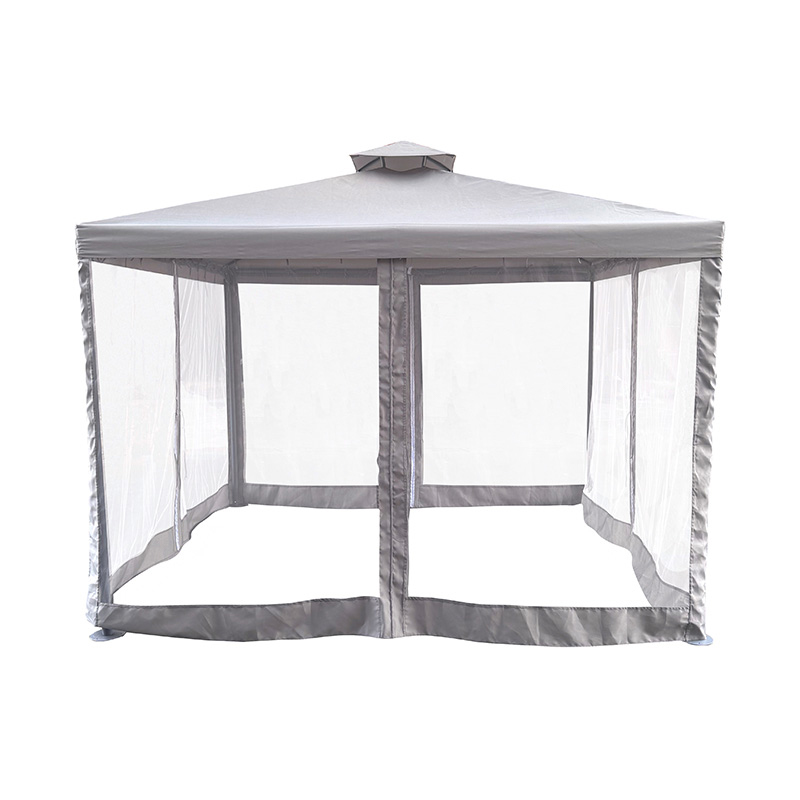
Outdoor retailers and camping gear distributors gearing up for the barbecue season keep hearing the same customer complaint: a canopy that looked sturdy in the store buckles under light wind or sudden rain within its first few outings. As backyard entertaining and tailgate culture continue driving steady demand across North America and Europe, buyers sourcing shade solutions are paying closer attention to frame strength and fabric quality before placing bulk orders. For distributors comparing suppliers, an outdoor simple BBQ tent that actually survives repeated setup and real weather has become the deciding factor over price alone.
What Buyers Are Searching for This Season
Recent activity across outdoor living forums and retail sourcing groups shows a shift away from basic canopy searches toward specific durability questions. Buyers want to know frame material thickness, wind resistance ratings, and how fabric coatings hold up after months of sun exposure. This reflects retail customers who have already returned a flimsy tent and now expect documented performance before restocking a similar product.
Why Frame Failure Happens More Often Than Expected
Most canopy collapses trace back to thin-gauge steel or aluminum joints that flex under wind load rather than a design flaw in the overall shape. Buyers evaluating suppliers should ask about pole wall thickness, joint reinforcement, and whether the frame has been tested under simulated wind conditions. These details matter far more to real-world performance than the number of colors offered or how the tent photographs on a marketing page.
Common Complaints From Retail and Distribution Buyers
Our product team reviews feedback from distributors across several regions, and certain issues appear consistently:
- Frame joints bending or snapping under moderate wind gusts
- Fabric fading or becoming brittle after prolonged sun exposure
- Water pooling on the canopy top due to inadequate slope design
- Stakes and guy lines that fail to hold in soft or sandy ground
- Zippers and side panel attachments wearing out after repeated use
Addressing these issues at the manufacturing stage prevents costly returns and protects a retailer's reputation heading into peak season.
Fabric Quality and Weather Resistance
Canopy fabric needs to resist both UV degradation and water penetration without becoming stiff or cracking over a single season. Buyers should confirm coating type, fabric weight, and whether the material has been tested for water resistance rather than simply labeled water-repellent. A canopy that sheds light rain but sags under sustained downpour creates a poor customer experience regardless of frame quality.
Setup Speed and Everyday Usability
Retail customers increasingly favor tents that one person can assemble without extra tools or a second set of hands. Buyers sourcing for the DIY and casual outdoor market should look for straightforward pole connections, clear instructions, and a carrying case that makes transport and storage manageable for typical backyard or tailgate use.
Sizing and Assortment Planning for Different Markets
Backyard cookouts, campsite gatherings, and market vendor setups each favor different canopy footprints. Distributors serving varied customer bases often request multiple size options within a single product line, allowing retailers to stock according to regional demand rather than committing to one fixed dimension.
What to Confirm Before Placing a Bulk Order
Buyers should request documented frame material specifications, fabric test results, and sample units for hands-on wind and water testing before committing to volume orders. Suppliers who provide this transparency tend to earn repeat distribution business more reliably than those competing purely on unit price.
For outdoor retailers and distributors preparing for the grilling season, sourcing a well-built outdoor simple BBQ tent with verified frame strength and weather-resistant fabric supports steadier sales and far fewer warranty claims.
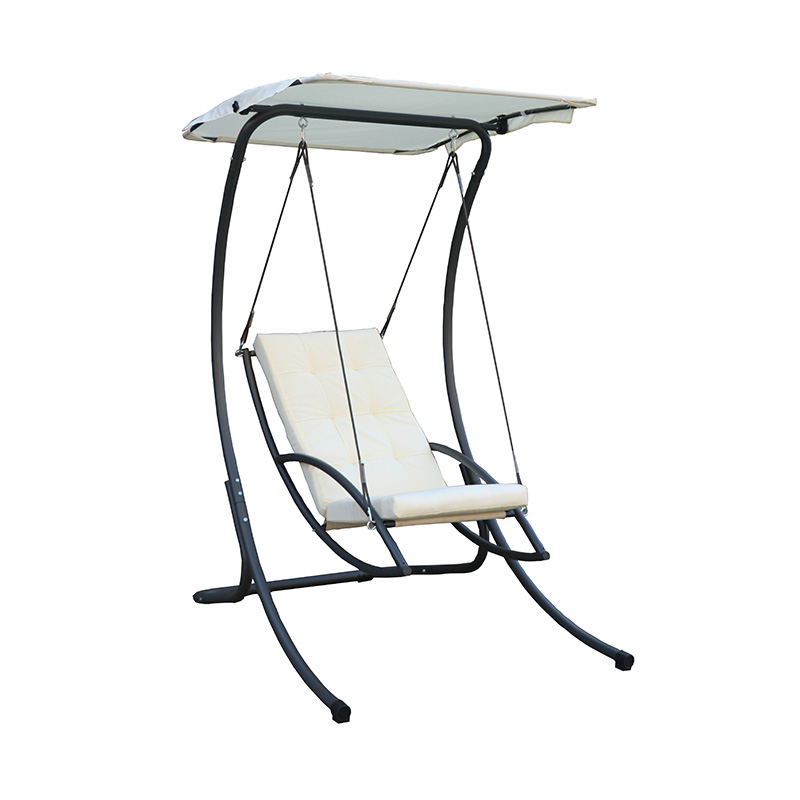


We are a company integrating production and trade, specializing in the research and development and manufacturing of outdoor leisure products.
Quick Links
Keep In Touch
-
 +86-13705895838
-
 +86-579-83936588
-
 +86-579-83921166
-
 [email protected] / [email protected] / [email protected] / [email protected] / [email protected]
-
 No.68 Shuanglin Street, Wucheng District, Jinhua, Zhejiang, China
Mobile
Copyright © Jinhua Yilixin Industry&Trading Co.,Ltd. All Rights Reserved.

High-Quality Outdoor Tent

