 EN
EN English
 русский
 Español
 Polskie
Quality-First, Customer-Focused, and Excellence-Driven.
Contact
- ADDRESS: No.68 Shuanglin Street, Wucheng District, Jinhua, Zhejiang, China
- PHONE: +86-13705895838
- PHONE: +86-579-83936588
- FAX: +86-579-83921166
- EMAIL: [email protected] / [email protected] / [email protected] / [email protected] / [email protected]
 Home / News / Industry News / What Makes an Outdoor BBQ Tent Practical for Different Outdoor Spaces?
Industry News
What Makes an Outdoor BBQ Tent Practical for Different Outdoor Spaces?
2026-10-09
Jinhua Yilixin Industry&Trading Co.,Ltd.
Outdoor cooking areas are being used for more than occasional backyard gatherings. They can serve as spaces for family meals, outdoor events, hospitality areas, camping activities, and small commercial projects. For buyers sourcing an Outdoor Simple BBQ Tent, the challenge is finding a structure that provides useful shelter without making the installation unnecessarily complicated. From a manufacturer’s perspective, practical design starts with understanding how the space will be used, then matching the structure, materials, ventilation, and layout to those requirements.
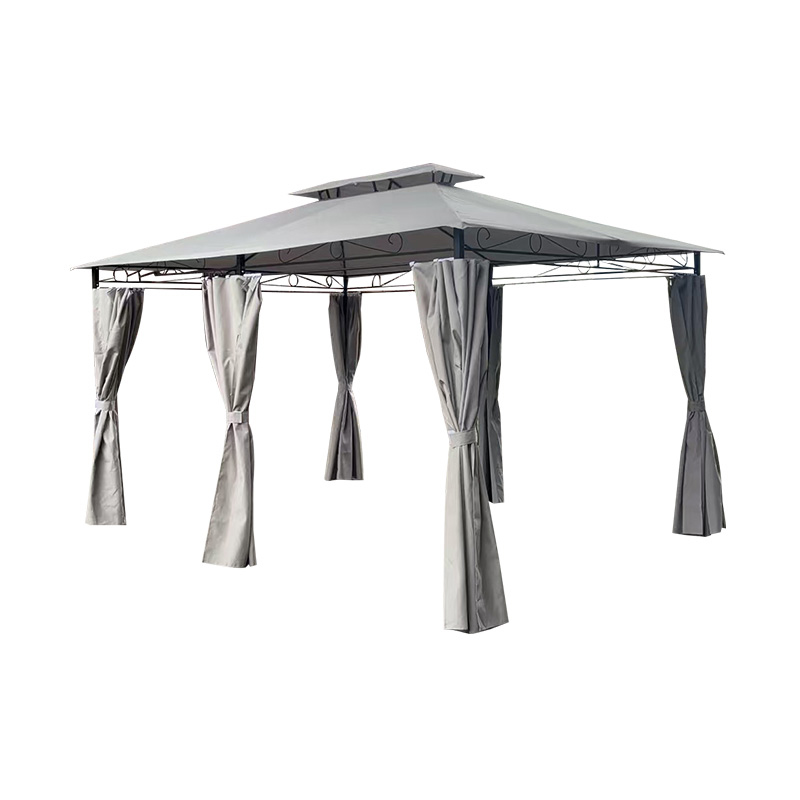
Start With the Intended Use
A tent designed for occasional family barbecues may have different requirements from one used for frequent outdoor events or commercial activities. The number of users, cooking equipment, storage needs, and expected setup frequency can all influence the appropriate configuration.
Buyers should first define the primary purpose of the tent. This helps avoid selecting a structure based only on appearance or overall dimensions. A manufacturer can then recommend a configuration that makes better use of the available outdoor space.
Consider the Cooking Layout
The arrangement of the cooking area directly affects how comfortable the tent is to use. A barbecue grill, preparation table, storage area, and seating space should not interfere with one another.
Before placing an order, buyers can consider:
- Position of the barbecue equipment
- Available preparation space
- Movement paths around the cooking area
- Storage for utensils and ingredients
- Entry and exit positions
- Space required for cleaning
A well-planned layout can make a relatively simple shelter much more functional.
Give Ventilation Enough Attention
Outdoor cooking naturally produces heat, smoke, and cooking odors, so ventilation should be considered when evaluating a BBQ tent. The structure should provide suitable openings and airflow according to the intended cooking arrangement.
This does not mean simply adding more openings. Their position, size, and relationship with the cooking area should be considered together. When developing a customized product, buyers can provide information about the equipment and cooking setup so the manufacturer can review the overall layout.
Choose Materials for Outdoor Use
Outdoor structures are exposed to changing environmental conditions, so material selection should reflect where and how the tent will be used. The frame, covering materials, connectors, and other components should be selected as a complete system.
Buyers should pay attention to material specifications, surface treatment, connection design, and the way individual parts are protected during storage and transportation. A manufacturer can also help determine which material options are more practical for a particular project rather than treating material selection as a purely visual decision.
Make Setup and Storage Practical
A BBQ tent may need to be assembled, moved, stored, or transported depending on the application. This makes the relationship between structural design and handling particularly important.
A practical design should consider how major components are connected and how they are organized before installation. Clear component identification can also make assembly easier for buyers managing multiple units.
For distributors and project buyers, packaging should be considered together with the product rather than handled as an afterthought.
Plan for Different Project Requirements
Standard configurations can simplify purchasing, but outdoor spaces are not always identical. Buyers may require different dimensions, colors, roof arrangements, side panels, openings, or accessory combinations.
Customization works more efficiently when requirements are established before production. Drawings, dimensions, reference samples, and application details give the manufacturer a clearer basis for evaluating whether the requested changes can be integrated into the structure.
The objective should be useful customization rather than unnecessary complexity.
Build a Clear Specification for Repeat Orders
For buyers purchasing multiple units, a complete product specification can make future orders easier to manage. Dimensions, frame materials, covering options, accessories, packaging, and other approved details should be recorded as a consistent reference.
This becomes particularly useful when additional units are required for another outdoor area or when a distributor needs to maintain a stable product range. A manufacturer can use the same approved reference while adjusting only the elements that need to change.
An Outdoor Simple BBQ Tent should therefore be evaluated as a complete outdoor-use solution rather than simply as a covered frame. When cooking layout, ventilation, outdoor materials, handling, installation, and customization are considered together, buyers can select a configuration that better matches real usage. For manufacturers, understanding these requirements early also creates a clearer path from product design to production and repeat supply.
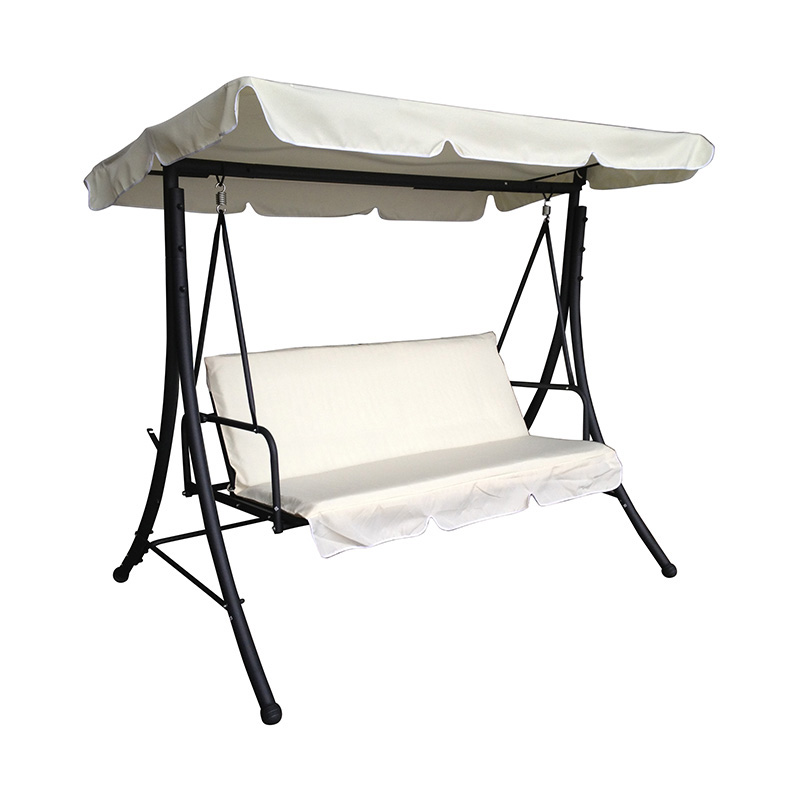
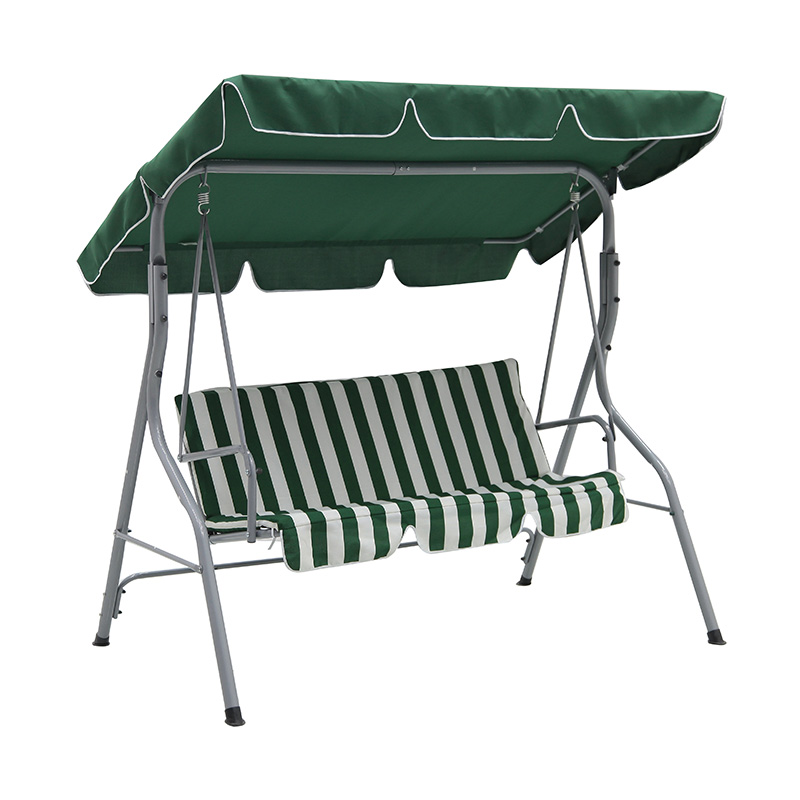



We are a company integrating production and trade, specializing in the research and development and manufacturing of outdoor leisure products.
Quick Links
Keep In Touch
-
 +86-13705895838
-
 +86-579-83936588
-
 +86-579-83921166
-
 [email protected] / [email protected] / [email protected] / [email protected] / [email protected]
-
 No.68 Shuanglin Street, Wucheng District, Jinhua, Zhejiang, China
Mobile
Copyright © Jinhua Yilixin Industry&Trading Co.,Ltd. All Rights Reserved.

High-Quality Outdoor Tent

